
"Why Should I Care?" (A. 5)
A surprising comment reveals the difference between evolution and development.
(NOTE: If you are new to my site, it helps to read the posts in order. They are listed under the Contents tab here.)
Back a few years ago, when the US was separating children from their parents at the border, there was a brief exchange between an American woman and a reporter on TV. I could not fathom how this woman responded to this question: “Does it bother you to see young children crying and in a state of panic when they are separated from their parents?” Her answer was a slightly puzzled
“Why should I care?”
What were your thoughts about this woman? What words come to mind?
Evil. Uncaring. Racist. White supremacist. Want me to go on?
No, your reactions are clear and relatable. Maybe we could think about this in Integral terms. OK?
OK.
Remember, in the middle of last year, when we talked about development theories (the 2.X series), we said that people develop and cultures evolve. This is a subtle but important idea. Individual development may seem slow in the context of a lifetime, but the whole span of development can be achieved in a lifetime.
One’s individual developmental stage is the person’s current “center of gravity,” the stage at which they currently spend the majority of their time and attention.
Evolution is a long-term and collective project, requiring many generations for changes to appear, gain currency, and become common features in a population. So let’s look again at the chart from our earlier newsletter 2.11:
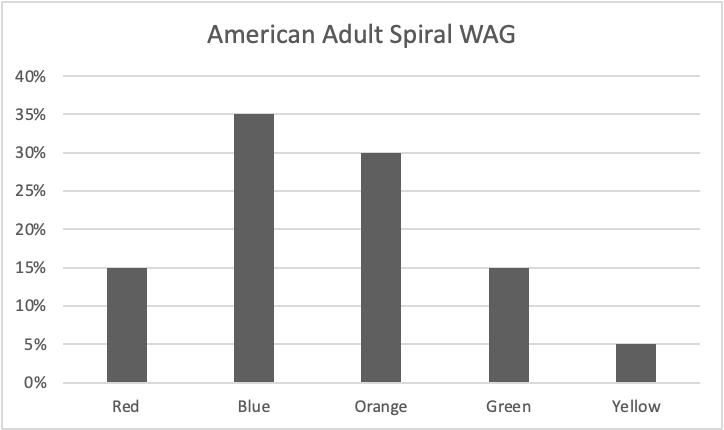
An individual can be in any one of these stages. A culture is an aggregate of all of these stages and can only develop very slowly because new young people populate it from the left side and either stop developing, develop slowly, or die, and thus the cultural center of gravity will move slowly to the right side.
So, we can’t improve as a culture.
I didn’t say that. Martin Luther King is often credited with the expression:
The arc of the moral universe is long, but it bends toward justice.
But its origins go back to American abolitionist and Unitarian minister Theodore Parker, who said
Look at the facts of the world. You see a continual and progressive triumph of the good. I do not pretend to understand the moral universe, the arc is a long one, my eye reaches but little ways. I cannot calculate the curve and complete the figure by the experience of sight; I can divine it by conscience. But from what I see I am sure it bends towards justice.1
As slow as this arc of cultural evolution is, individuals have the potential to manifest this entire arc in a lifetime. And yet, as we know, this growth can be achingly slow for cultures and individuals. And people stop growing for myriad reasons. This kind of growth is hard to encourage.
Are we tracking so far?
I think so. It is fascinating that each of us is a miniature version of human evolution. I remember our discussion of the conveyor belt, where you pointed out that because we always have infants, children, adolescents, and young and old adults, we will always have people in our population at all stages of development! That is so spectacularly important yet wholly missed in our discussions of our social problems.
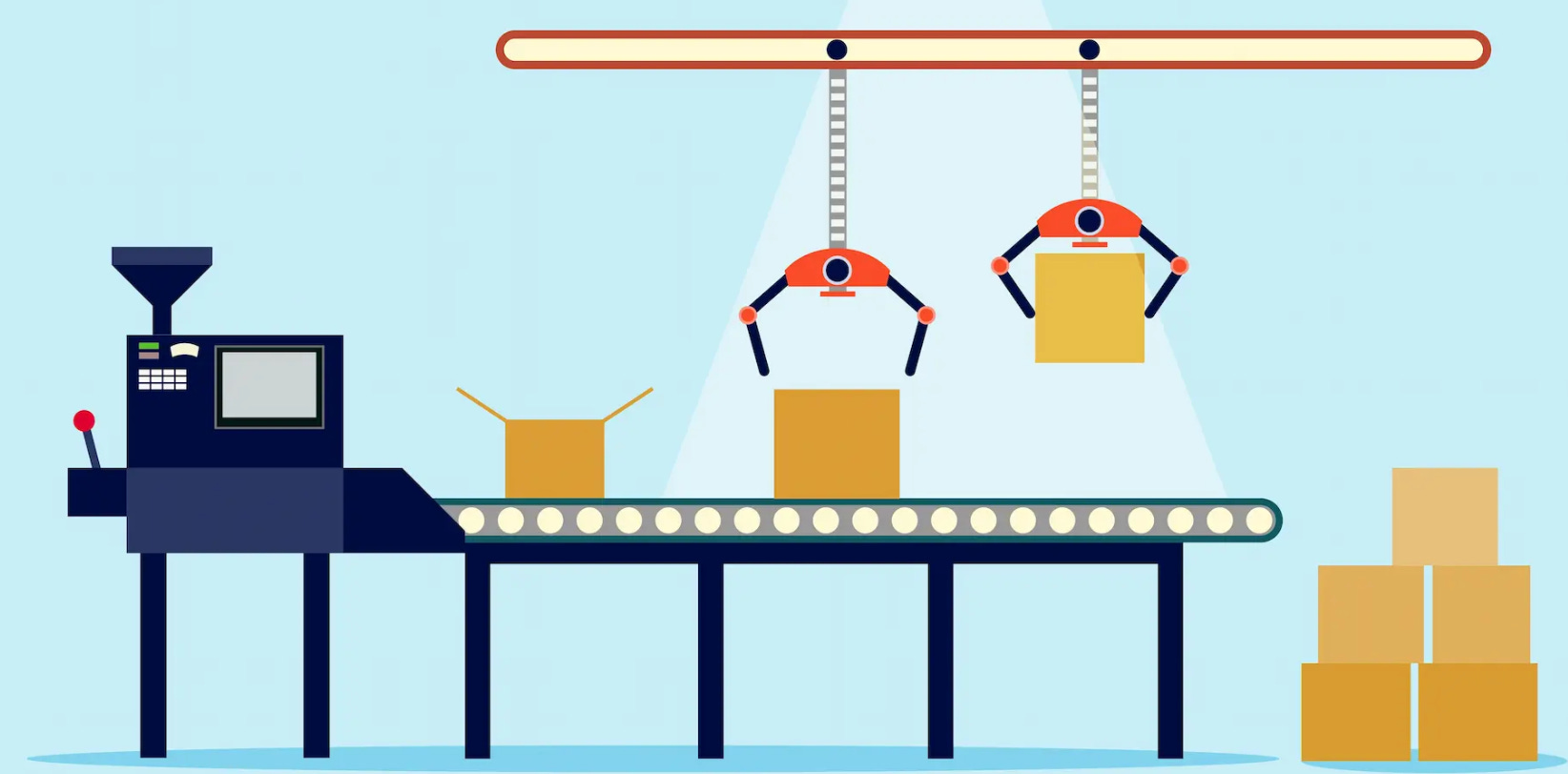
This “conveyor belt” insight is potent. It is so simple and yet points to the causes of so many problems. For instance, remember these two “rules of development” from my earlier posts.
People’s stage of development influences what they notice or can become aware of, and therefore what they can describe, articulate, influence, and change.2
A person who has reached a later stage can understand earlier world views, but a person at an earlier stage cannot understand later ones. 3
Along with your observation that we always have people populating all stages, to some extent, due to our ability to transcend and include, each of us also contains aspects of our current and earlier stages. So, on average, our culture, while slowly evolving, naturally leans towards earlier, more restricted stages of viewpoint and capability.
That’s depressing!
Yeah, but it helps to know that it is so. This way, we can set about solving or mitigating the problem.
Returning to the woman asking, “Why should I care?” the Integral response is not to fight or argue, but to deeply listen. Arguing triggers defensiveness and pushes people back into even earlier-stage responses. Deep, patient listening, the kind that develops relationships, helps people master the developmental tasks of their current stage. People can build a strong foundation to move into the next stage the more thoroughly they complete their current stage. In a multi-story building, each floor is the foundation for the next floor.
The building example makes sense, but I had not thought much about the need to complete each developmental stage before.
Let me explain. Each stage has an early, middle, and late phase. So, just as we can’t overly rush development through the stages, we can’t rush people through the phases of a stage. For example, a person in the early phase of Orange/modern is just learning new behaviors and ideas. If they get overwhelmed by their challenges, they might decide it is easier to return to their Blue/traditional responsibilities. Growth requires guidance, patience, training, and support.
What about the woman at the border?
Thanks. Of course we know little about her. Instead of jumping to judgments about her, let’s imagine she’s at the ethnocentric, “caring for people like me” stage. Her circle of care does not yet include “all people” (world-centric), certainly not people with a different language, skin color, and nationality. This world-centric view is an identifiable, discrete stage after ethnocentric. The developmental rule from above, “a person at an earlier stage cannot understand later ones” is likely operating here!
I need to let that idea settle for a while.
I understand. Some days it makes sense; other days, I’m not so sure.
I think this is enough for today—a lot to chew on. We have touched on the idea that not only do we grow through stages of development, but there is a recurring pattern of early, middle, and late phases in each stage. This pattern can help us more deeply understand our personal development challenges:
Am I trying out new ideas and behaviors and need to be patient as I learn the life skills and new ideas of this stage of life?
Am I thriving in this new worldview and can’t imagine anything better?
Am I beginning to see this stage's limits and getting glimpses of something new available to me/us?
https://quoteinvestigator.com/2012/11/15/arc-of-universe/
https://glimpsint.substack.com/i/129590557/peoples-stage-of-development-influences-what-they-notice-or-can-become-aware-of-and-therefore-what-they-can-describe-articulate-influence-and-change
https://glimpsint.substack.com/i/129590726/a-person-who-has-reached-a-later-stage-can-understand-earlier-world-views-but-a-person-at-an-earlier-stage-cannot-understand-later-ones